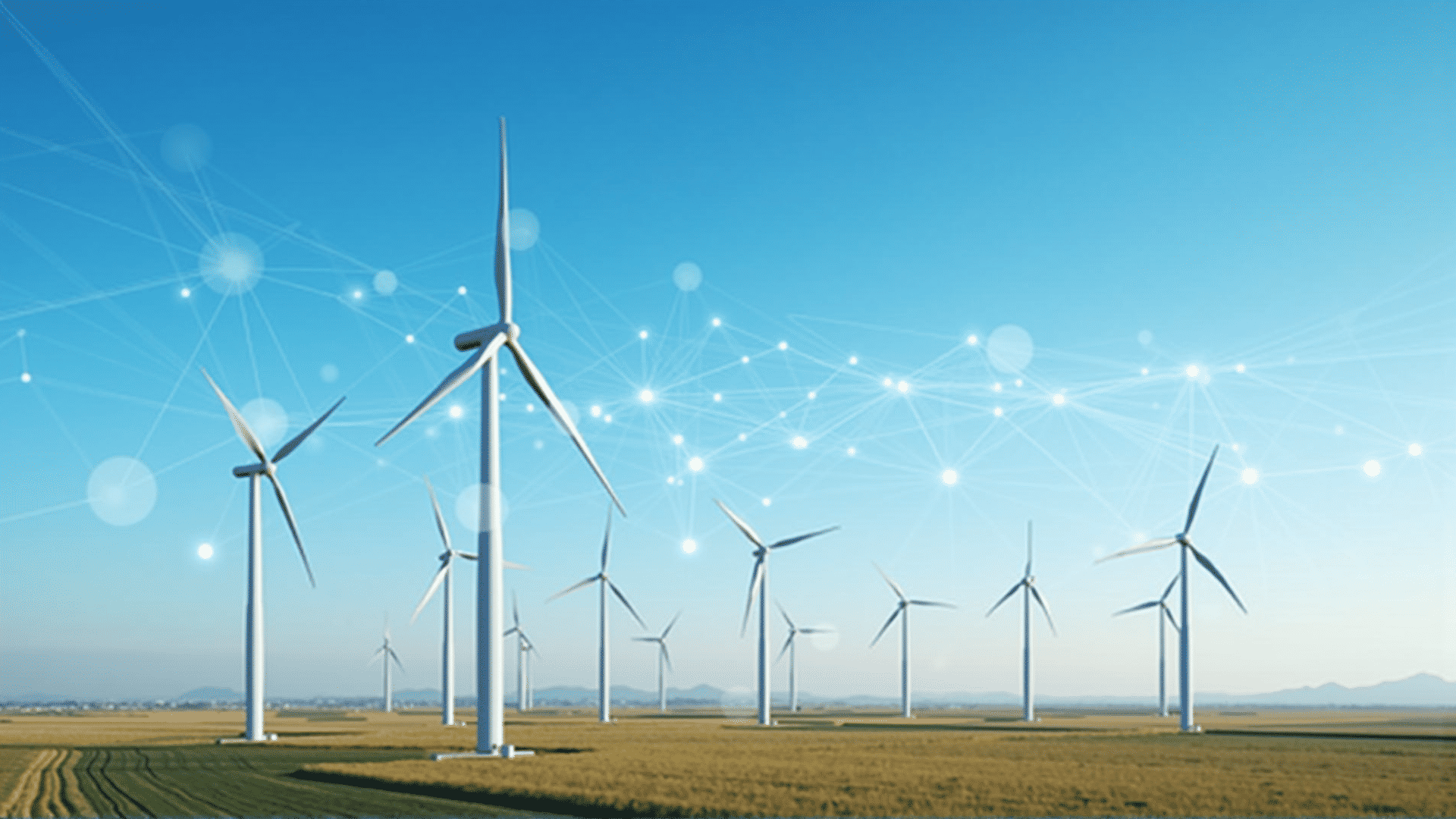
The rapid increase in renewable energy adoption has placed wind power at the forefront of sustainable electricity generation. However, integrating this intermittent energy source into existing electrical grids poses significant challenges. With fluctuating output based on weather conditions, ensuring a reliable and stable energy supply becomes a complex task for grid operators. This is where cutting-edge smart grid technology plays a crucial role, offering innovative solutions to integrate wind power seamlessly and efficiently.
Smart grids are modernized electrical grids that use information and communication technology to manage electricity more effectively. They transform traditional networks into responsive, intelligent systems capable of handling distributed energy resources, such as wind power. By leveraging advanced sensors, real-time data analytics, and machine learning algorithms, smart grids can anticipate, react, and adapt to energy supply and demand dynamics swiftly.
One of the primary benefits of smart grid technology is enhanced grid stability. With wind power being highly variable, predicting and managing its supply is critical. Smart grids utilize predictive analytics to forecast wind patterns and evaluate potential output. This enables grid operators to make informed decisions, such as adjusting conventional power plant output or implementing demand response strategies to accommodate changes in wind power generation.
Furthermore, smart grids facilitate improved energy storage solutions. By integrating battery storage systems, excess wind energy generated during peak production times can be stored and deployed when demand exceeds supply. This not only stabilizes the grid but also enhances the overall efficiency of wind power usage. Advanced storage technologies, coupled with intelligent grid management, allow for optimal utilization of renewable resources and minimize waste.
Another significant advantage of smart grid technology is its capability to enhance demand-side management. By connecting consumers through smart meters and devices, these grids enable real-time communication between electricity providers and end-users. Consumers can be incentivized to adjust their energy usage during peak times or when wind power generation is low, thus creating a more balanced load on the grid. Such demand-side flexibility reduces the need for expensive and carbon-intensive peaking power plants, aligning energy consumption more closely with renewable production.
The integration of wind power into the existing grid infrastructure also requires an upgrade in transmission systems. Smart grids, equipped with digital communication technologies, optimize the flow of electricity across long distances and manage congestion more effectively. This ensures that wind power generated in remote locations can be efficiently transmitted to areas with high demand, reducing transmission losses and bottlenecks.
Moreover, the deployment of smart grid technology enhances grid security and resilience. With features such as automated fault detection and self-healing capabilities, smart grids can quickly identify and isolate problems, minimizing disruptions due to fluctuating renewable energy inputs. This leads to a more robust energy supply system that can withstand variable generation scenarios inherent to wind power.
In conclusion, the integration of wind power into existing grids is a crucial step towards achieving sustainable and renewable energy goals. Smart grid technology provides the tools necessary to manage the complexities and challenges associated with this transition. By enhancing grid stability, optimizing energy storage and transmission, improving demand-side management, and increasing overall resilience, smart grids ensure that wind power can be effectively harnessed for a sustainable future. The synergy between wind energy and smart grid technology not only contributes to a greener planet but also paves the way for a smarter, more efficient energy landscape.