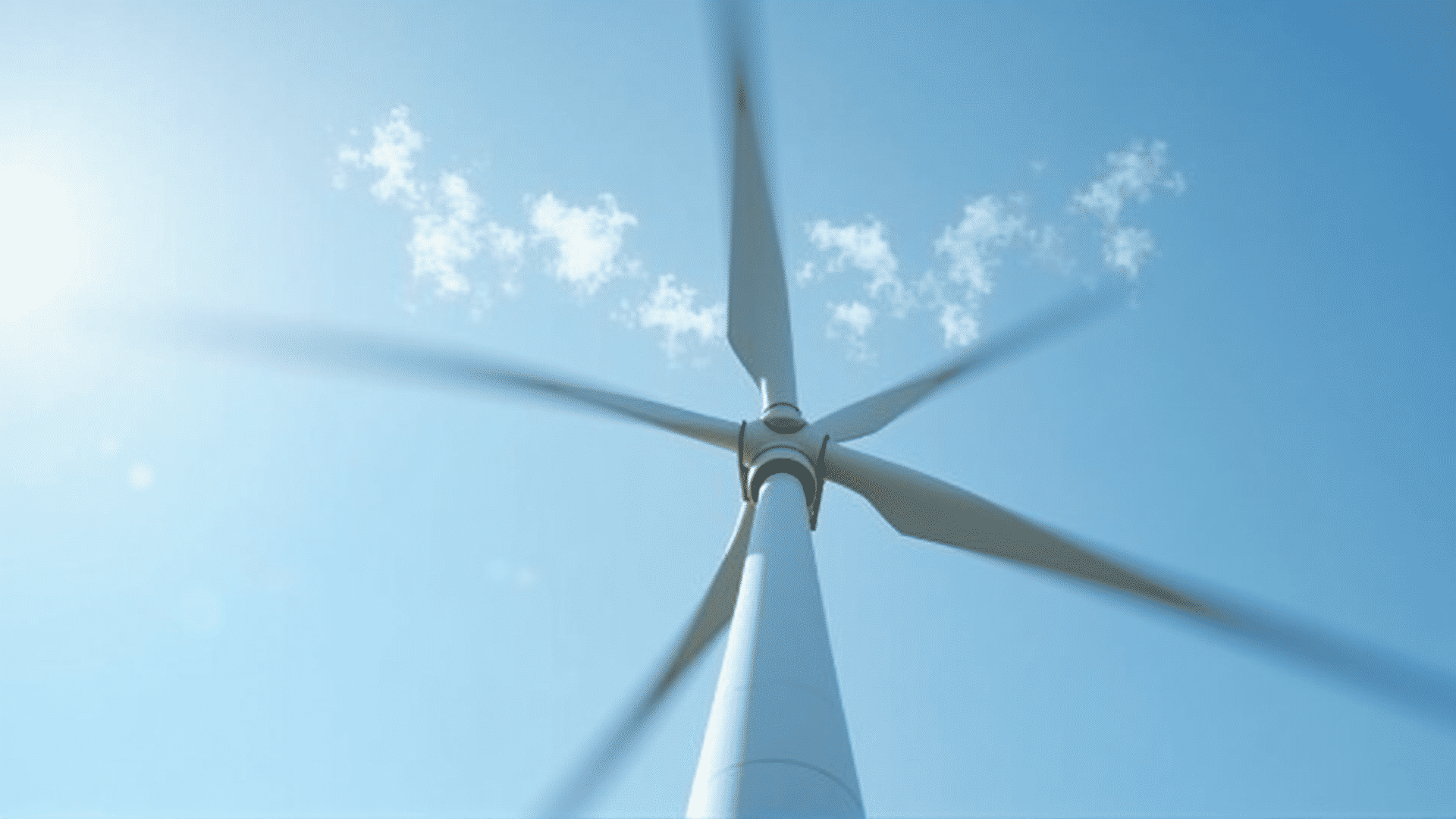
As global attention increasingly turns toward sustainable energy solutions, wind turbine systems have emerged as a critical component of the shift towards renewable energy resources. These systems harness the natural power of wind to generate electricity, representing not only a cleaner energy source but also a smart investment strategy for corporations and communities alike.
One of the most compelling reasons to invest in wind energy systems is their ability to significantly reduce carbon footprints. Unlike fossil fuels, wind energy produces electricity without emitting carbon dioxide or other harmful pollutants, playing a vital role in mitigating climate change. This environmental benefit makes wind turbines an attractive option for companies aiming to meet sustainability goals or enhance their corporate social responsibility profiles. By investing in wind energy, businesses can position themselves as leaders in environmental stewardship, fostering goodwill among consumers who increasingly favor eco-friendly and responsible companies.
Financially, wind energy systems are becoming more accessible and cost-effective. The initial investment in wind turbines may seem substantial; however, the reduction in operating costs over time is undeniable. Wind is a free resource, and once a turbine is installed, its energy generation incurs no fuel costs. Moreover, technological advancements and increased production have significantly driven down the costs associated with manufacturing and installing wind turbine systems, making them more affordable for a broader range of investors. Long-term stability in energy costs is another advantage, providing protection against volatile fossil fuel markets.
Additionally, investing in wind energy can stimulate local economic growth. The development of wind farms creates jobs in manufacturing, installation, maintenance, and operations. These projects often require a substantial workforce, providing employment opportunities and thus boosting local economies. For communities, especially those in rural areas, wind energy can be a significant source of revenue through land lease agreements and tax revenues. It empowers local communities to direct funds towards essential public services and infrastructure development.
Wind turbines also present opportunities for energy independence. By investing in local energy sources, countries and regions can reduce their dependence on imported fuels, enhancing energy security. This decentralization of energy production makes electrical grids more resilient and less susceptible to disruptions. Communities that harness wind power can enjoy a more reliable supply of clean energy, safeguarding them against global energy price fluctuations.
Furthermore, worldwide governmental policies increasingly favor renewable energy initiatives, providing incentives such as tax credits, grants, and subsidies that make investing in wind energy systems even more appealing. These policy supports aim to encourage renewable energy adoption and facilitate a swift transition from traditional to renewable energy sources. Investors can take advantage of these opportunities to reduce upfront costs and secure a higher return on investment.
In conclusion, wind turbine systems offer a sustainable and forward-thinking investment opportunity for companies and communities. By generating clean energy, reducing operational costs, supporting local economies, and enhancing energy security, wind energy systems align short-term financial objectives with longer-term sustainability goals. As our world grapples with the urgent need for renewable energy sources, wind turbines prove to be a robust solution, promising a sustainable future while offering tangible economic benefits today.